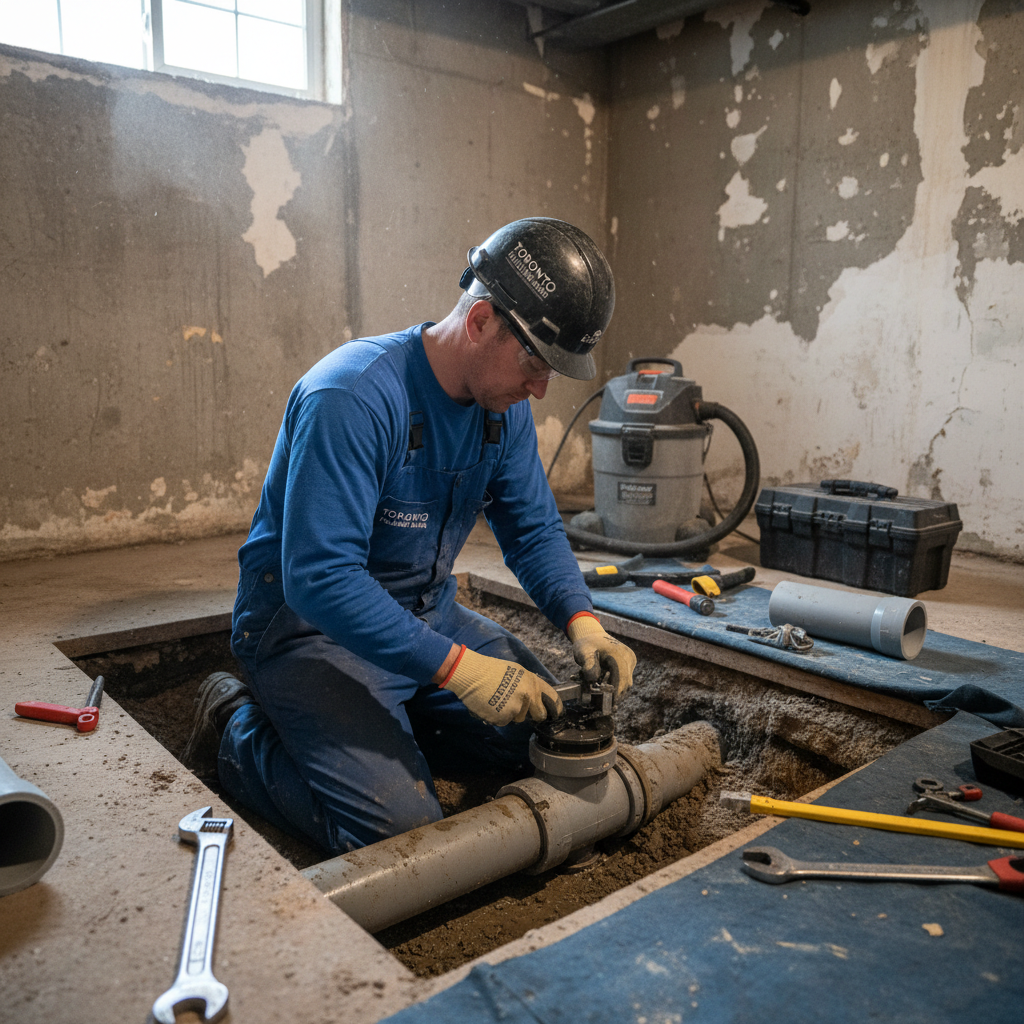
If you own and occupy a Toronto home and you are installing a backwater valve, a sump pump, or disconnecting a drain from the city’s sanitary sewer, the City of Toronto may reimburse a significant portion of the cost. The Basement Flooding Protection Subsidy Program has been running in various forms for over a decade and is one of the few direct financial incentives the City offers to homeowners undertaking flood protection work.
This guide explains exactly what the program covers, who is eligible, how the application process works, and how to maximize the subsidy if you are doing a larger project like underpinning that includes plumbing work.
What the Subsidy Covers
| Work Type | Maximum Subsidy |
|---|---|
| Backwater valve installation | $1,750 |
| Disconnection of storm or foundation drain from sanitary sewer | $2,800 |
| Sump pump installation | $1,750 |
| Maximum total per property | Varies (see note) |
Note on maximum total: The City caps the total subsidy per property per application. As of the most recent program guidelines, the backwater valve and sump pump categories can be combined for a maximum of $3,400 per property. The drain disconnection is a separate category. Confirm current maximums directly with the City, as the program parameters have been updated over its history.
What Is a Backwater Valve and Who Needs One?
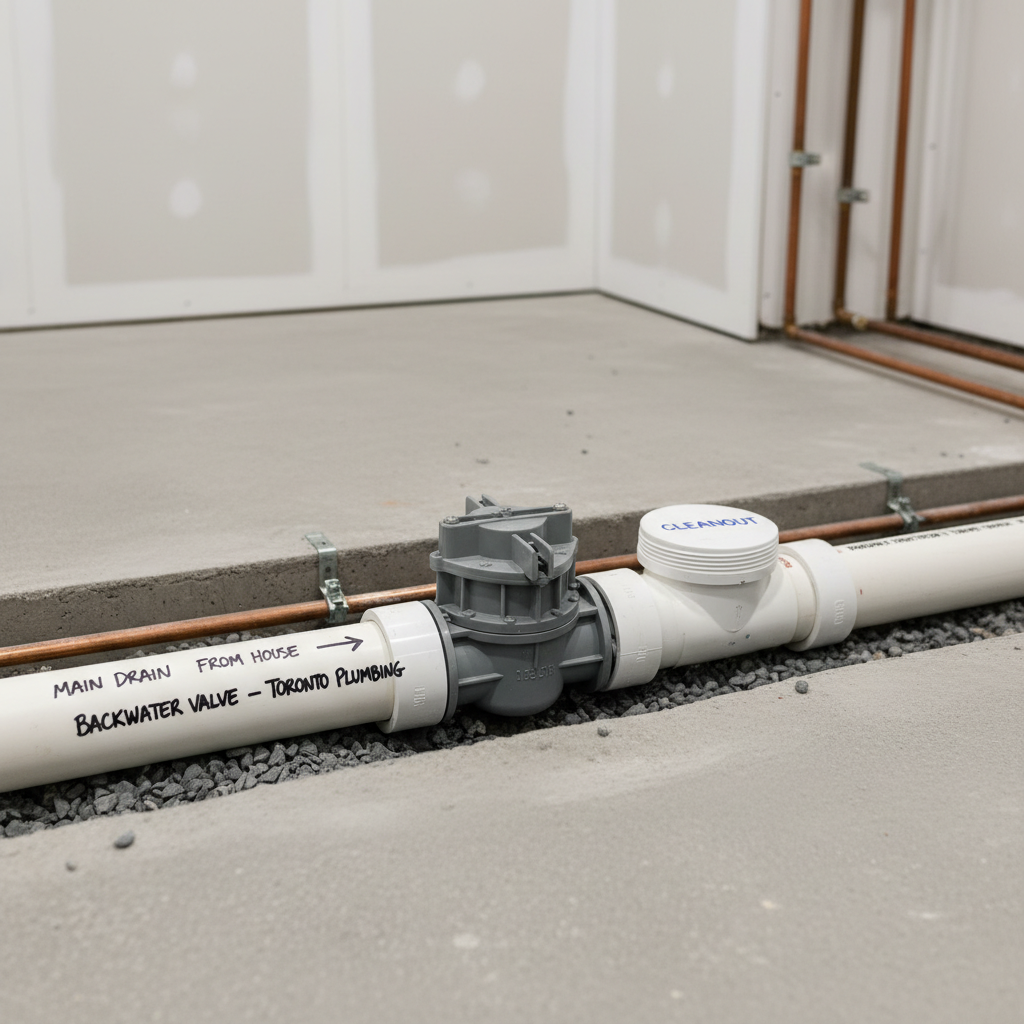
A backwater valve (also called a sewer backup prevention valve) is installed on the main drain line inside the basement. When sewage backs up in the city’s sewer main during heavy rainfall events (which overload Toronto’s combined sewer system), the backwater valve prevents that sewage from flowing backward into your basement.
Homes most likely to benefit from a backwater valve are those built before 1980, when Toronto’s sewer system was largely a combined system (both storm water and sanitary sewage in the same pipe). Combined sewer systems are prone to backup during major rainfall events because both streams compete for the same pipe capacity. The July 2013 storm overwhelmed the combined sewer system across much of Toronto, causing widespread sewage backup into basements.
Pre-1980 homes in areas like East York, North York, Etobicoke, and older Scarborough are particularly good candidates for backwater valve installation.
What Is Drain Disconnection?
Drain disconnection refers to the process of separating a storm drain or foundation drain that was connected to the sanitary sewer and redirecting it to either the storm sewer or to daylight. This reduces the volume of water entering the sanitary system during storms and is part of the City’s broader infrastructure separation program.
For many Toronto homeowners, this is a less common item, but it is the highest-value subsidy category at $2,800 maximum.
Eligibility Requirements
To be eligible for the Toronto Basement Flooding Protection Subsidy, the following conditions must be met:
Owner-occupied property. The subsidy is available to homeowners who own and live in the property. Investment properties (rental properties where the owner does not live) have historically not been eligible, though the program rules should be confirmed for the current program year.
Permit required. The work must be done under a valid plumbing permit issued by the City of Toronto or the relevant municipality. Work done without a permit is not eligible.
Licensed contractor. The installation must be performed by a licensed contractor. DIY installations are not eligible.
Residential property. The program applies to residential properties, not commercial.
No prior subsidy for same work. If a backwater valve subsidy was already claimed for a given property, a second subsidy for a new backwater valve installation may not be available. Check current program rules for specifics.
How to Apply
The subsidy is a reimbursement program, not a pre-approval program. The correct sequence is:
-
Confirm eligibility. Check the current program requirements on the City of Toronto website or call the program office. Program details have changed over the years and the current rules may differ from previous years.
-
Get a plumbing permit. Your licensed plumber pulls the required permit before work begins.
-
Complete the installation. The work is done by a licensed plumber and inspected under the permit.
-
Gather documentation. You will need the permit and permit close-out confirmation, the contractor’s invoice showing detailed itemized costs, proof of payment, and proof of ownership.
-
Submit the application. Submit through the City’s online portal or mail the application package. The City reviews the application and processes the reimbursement, which typically takes 6 to 12 weeks after submission.
How to Combine the Subsidy with an Underpinning Project
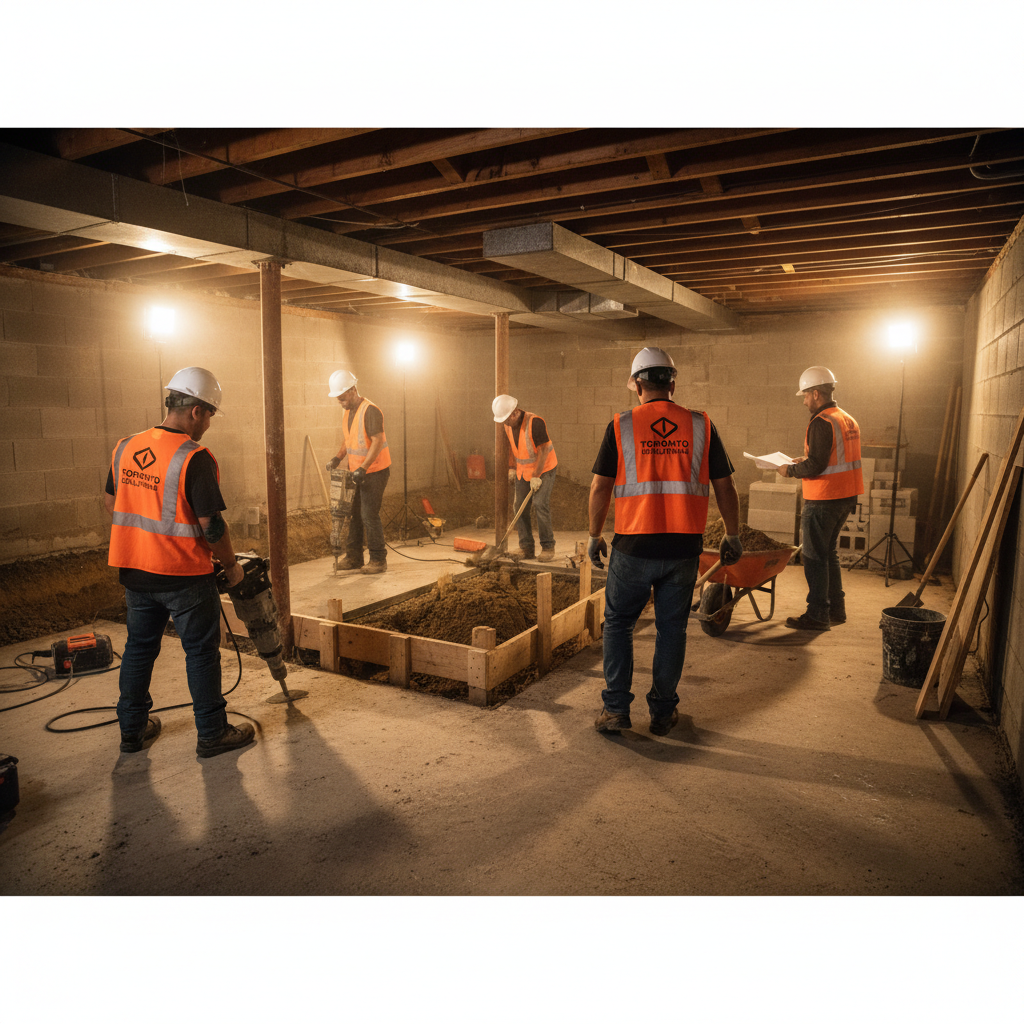
If you are planning a basement underpinning project, this is the ideal time to install subsidy-eligible items and claim the maximum reimbursement. During underpinning, the basement floor is opened and below-slab plumbing is being addressed. Adding a backwater valve and a new sump pump to the scope is relatively low incremental cost compared to doing them as a standalone project.
For a combined underpinning project that includes:
- Backwater valve installation: up to $1,750 subsidy
- Sump pump installation: up to $1,750 subsidy
That is up to $3,500 in subsidies applied against a project that costs $70,000 to $130,000. While it is a small percentage of the total, it is money available for qualifying work you would need to do anyway.
The key requirement: all eligible work must be done under a permit and by a licensed contractor. An underpinning project done properly will naturally meet these requirements.
What the Subsidy Does NOT Cover
The subsidy does not cover:
- Interior waterproofing drainage systems (drainage channels, membranes)
- Crack injection
- Underpinning
- Basement finishing work
- Battery backup pump (the subsidy covers the primary pump only, based on program history)
- Exterior waterproofing
The program is specifically focused on flood prevention infrastructure, primarily the backwater valve, which prevents sewage backup from the city system.
Why a Backwater Valve Is Worth Installing Regardless of the Subsidy
The $1,750 subsidy covers 30 to 50 percent of the typical backwater valve installation cost ($3,500 to $5,500 installed in Toronto). Even without the subsidy, a backwater valve is worth strong consideration for pre-1980 Toronto homes.
A single sewage backup event causes $15,000 to $50,000 in cleanup, remediation, and damage costs. Insurance coverage for sewer backup is available as a rider on home insurance policies, but the maximum coverage limits are often $10,000 to $20,000, and premiums for sewer backup coverage in high-risk Toronto areas have risen significantly.
A backwater valve eliminates the sewage backup risk entirely for the scenarios where city system backpressure is the cause. This is a permanent, low-maintenance infrastructure improvement.
Staying Current on Program Details
The Basement Flooding Protection Subsidy Program parameters have changed multiple times since its introduction. Subsidy maximums, eligible work categories, and eligibility requirements can change with each program year. Always confirm current program details directly with the City of Toronto before making installation decisions based on subsidy assumptions.
The City of Toronto plumbing services team can confirm current program eligibility during the assessment phase of your project.
For further context, read our guides on Signs Your Basement Needs Waterproofing and Battery Backup Sump Pumps Explained.
Planning basement plumbing work in Toronto? Contact our team to confirm which components qualify for the subsidy and get the installation done properly under permit to maximize your reimbursement.